

Blogs
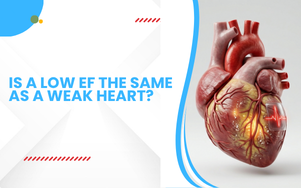
Low EF and a Weak Heart: Are They Same?
Is a low EF the same as a weak heart? Dr. Shahid Merchant explains the difference between low ejection fraction and overall heart weakness, common causes, treatment options, and whether a low EF can improve with appropriate cardiac care.
Can Ejection Fraction Improve After a Heart Attack?
Can ejection fraction improve after a heart attack? Dr. Shahid Merchant explains how timely treatment, restored blood flow, medication, and cardiac rehabilitation can support heart function recovery and what factors influence ejection fraction.
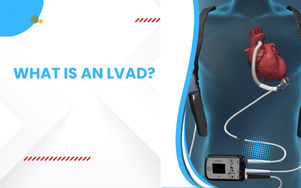
What Is an LVAD?
An LVAD, or left ventricular assist device, is a mechanical pump surgically implanted to help the heart's main pumping chamber move blood to the rest of the body when it is no longer able to do so effectively on its own. It does not replace the heart and is not an...

When to See a Heart Failure Doctor?
A dedicated heart failure doctor becomes necessary once symptoms such as breathlessness, swelling, or fatigue continue to recur despite standard treatment from a general cardiologist or physician. Heart failure is not a single condition with one fixed treatment path;...
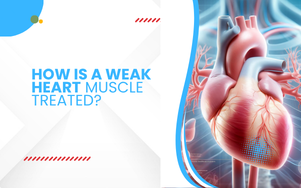
How Is a Weak Heart Muscle Treated?
Treatment for a weak heart muscle typically begins with medication, followed by lifestyle changes, with devices considered only if the muscle continues to weaken despite these measures. Mechanical support or a transplant is reserved for the most severe cases, where...

When Do You Need a Cardiologist?
A general physician can manage routine checkups and mild, short-lived symptoms effectively. However, persistent chest discomfort, unexplained breathlessness, palpitations, or fainting spells call for a cardiologist's evaluation. Heart-related symptoms can closely...
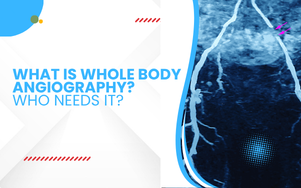
What Is Whole Body Angiography? Who Needs It?
Whole body angiography is a single imaging test that maps the arteries across the heart, brain, kidneys, and limbs all in one sitting. Instead of checking just the coronary arteries, it looks at the entire vascular network, because atherosclerosis rarely stays in one...

TAVR vs Open Heart Surgery for Valve Disease
TAVR and open heart surgery both replace a diseased heart valve, but they go about it in completely different ways. TAVR threads a new valve in through a catheter, no chest incision, and most patients leave hospital within days. Open heart surgery removes the old...
Chest Pain: When Is It a Heart Emergency?
Not all chest pain is a heart attack, but some of it absolutely is, and telling the difference fast can save a life. Cardiac chest pain typically feels like pressure, tightness, or squeezing, often spreading to the arm, jaw, or back, and it tends to come with sweating...
Warning Signs of Heart Attack in Women
Heart attacks in women often look nothing like the chest-clutching collapse most people picture. Women are far more likely to have subtle, atypical symptoms, nausea, breathlessness, jaw or back pain, sudden fatigue, which is exactly why their heart attacks get missed...
Why Heart Attacks Are Rising in Indians Under 40?
Heart attacks in Indians under 40 are rising because of a specific mix of factors that hit this population harder than most. Indians develop coronary disease around a decade earlier than Western populations, often with no warning. The drivers are familiar but...

Life After Angioplasty: Do’s and Don’ts
Most people go back to a fairly normal life after angioplasty, but the first few weeks set the tone for how long the stent keeps working. Light activity usually resumes within a week. After that, the outcome rests on a handful of habits: medication taken on time, risk...