

Blogs
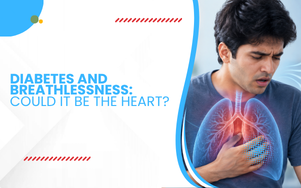
Diabetes and Breathlessness: Could It Be the Heart?
Dr. Shahid Merchant explains why breathlessness in people with diabetes may sometimes indicate an underlying heart condition, highlighting key warning signs and the importance of timely cardiac evaluation.
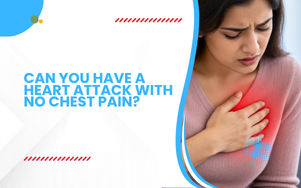
Can You Have a Heart Attack With No Chest Pain?
A heart attack can occur without chest pain, with symptoms like breathlessness, nausea or unusual fatigue. Dr. Shahid Merchant explains the warning signs and when to seek emergency care.
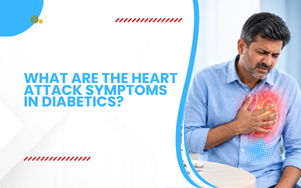
What Are the Heart Attack Symptoms in Diabetics?
Heart attack symptoms in diabetics may be subtle or atypical. Dr. Shahid Merchant explains warning signs, silent heart attacks and when to seek emergency care.
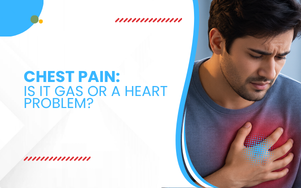
Chest Pain: Is It Gas or a Heart Problem?
Chest pain can be caused by gas or a heart problem. Dr. Shahid Merchant explains the differences, warning signs and when to seek emergency care.
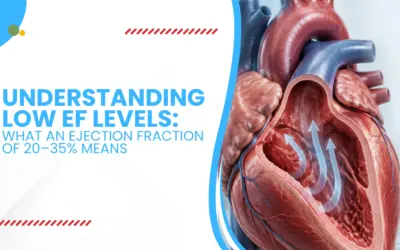
Low Ejection Fraction (EF 20–35%): Causes, Treatment & What to Do Next
A low ejection fraction means the heart pumps less blood than expected with each heartbeat. When the EF falls between 20–35%, it may suggest reduced heart pumping ability and requires detailed evaluation to understand the cause and severity. Dr. S. A. Merchant, a...

Heart Failure Not Improving Despite Treatment? What to Do Next
Heart failure management is a continuous process that requires regular monitoring and treatment adjustments. In some cases, symptoms may continue or worsen despite following medications and recommended lifestyle changes, indicating the need for further evaluation. Dr....
Can Uncontrolled High BP Damage the Heart Permanently?
Uncontrolled high blood pressure can weaken and enlarge the heart, damage arteries, and increase the risk of heart failure over time. Dr. Shahid Merchant explains how high BP can affect the heart, the warning signs to watch for, and when medical evaluation may be necessary.
High BP with Breathlessness: Should You Worry?
High blood pressure with breathlessness can sometimes signal a more serious heart or lung problem. Dr. Shahid Merchant explains the possible causes of breathlessness with high BP, warning signs to watch for, and when medical evaluation may be necessary.
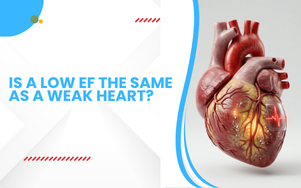
Low EF and a Weak Heart: Are They Same?
Is a low EF the same as a weak heart? Dr. Shahid Merchant explains the difference between low ejection fraction and overall heart weakness, common causes, treatment options, and whether a low EF can improve with appropriate cardiac care.
Can Ejection Fraction Improve After a Heart Attack?
Can ejection fraction improve after a heart attack? Dr. Shahid Merchant explains how timely treatment, restored blood flow, medication, and cardiac rehabilitation can support heart function recovery and what factors influence ejection fraction.
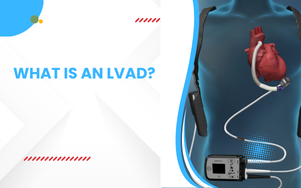
What Is an LVAD?
An LVAD, or left ventricular assist device, is a mechanical pump surgically implanted to help the heart's main pumping chamber move blood to the rest of the body when it is no longer able to do so effectively on its own. It does not replace the heart and is not an...
When to See a Heart Failure Doctor?
A dedicated heart failure doctor becomes necessary once symptoms such as breathlessness, swelling, or fatigue continue to recur despite standard treatment from a general cardiologist or physician. Heart failure is not a single condition with one fixed treatment path;...