

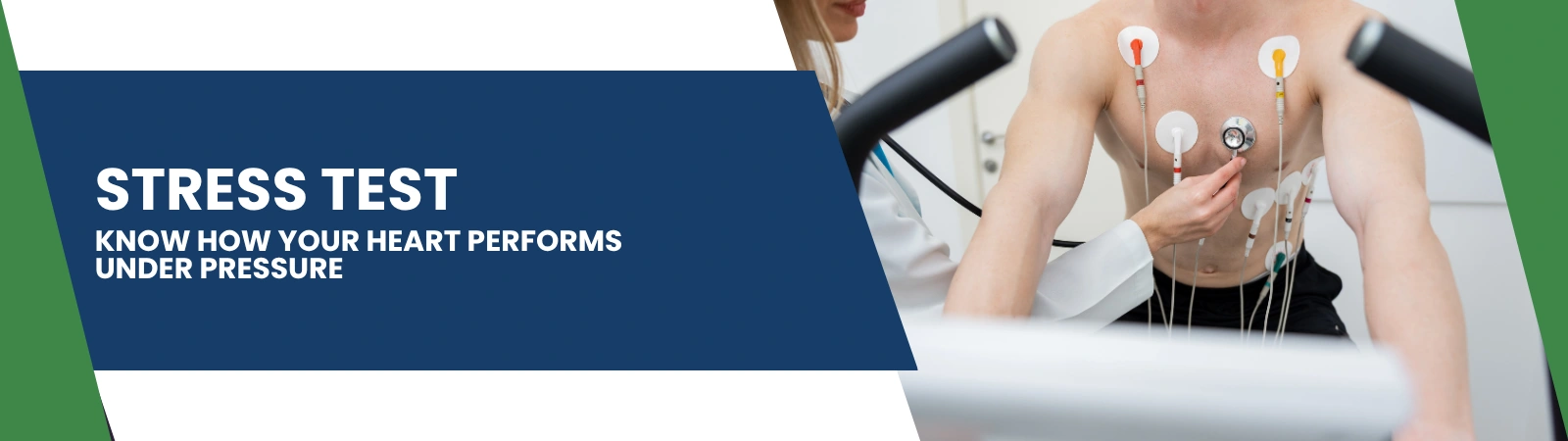
Stress Test in Mumbai
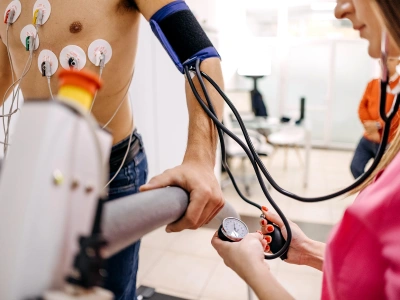
A resting heart often hides what an active heart reveals. Many cardiac conditions, including early coronary artery disease, exercise-induced arrhythmias, and silent ischemia, stay undetected on routine ECGs but surface clearly when the heart is placed under controlled physical stress. A stress test evaluates this real-time response, offering one of the earliest and most reliable indicators of cardiac risk.
Dr. S. A. Merchant, a respected Sr. Interventional & Advanced Heart Failure Cardiologist and founder of the Advanced Heart Failure Clinic in Mumbai, explains that “around 40 percent of patients with significant coronary blockages show a normal resting ECG, which is why a stress test becomes essential to catch hidden disease.” He adds that “exercise tolerance and recovery patterns during a TMT are among the strongest predictors of long-term cardiac outcomes, often more telling than any single resting test.”
This preventive approach shapes every aspect of care at the Advanced Heart Failure Clinic, where the focus stays on early diagnosis, expert-supervised testing, and sustained cardiac management. Equipped with state-of-the-art TMT systems and supported by the proprietary Smart HF App for continuous monitoring, the AHF Clinic is regarded as a trusted centre for an accurate and safely administered stress test in Mumbai.
Not sure if it’s time for a stress test? Let’s discover the signs that suggest the heart needs a closer look.
When Do You Need a Stress Test?
A stress test is recommended in several situations, especially when symptoms or risk factors suggest underlying cardiac strain:
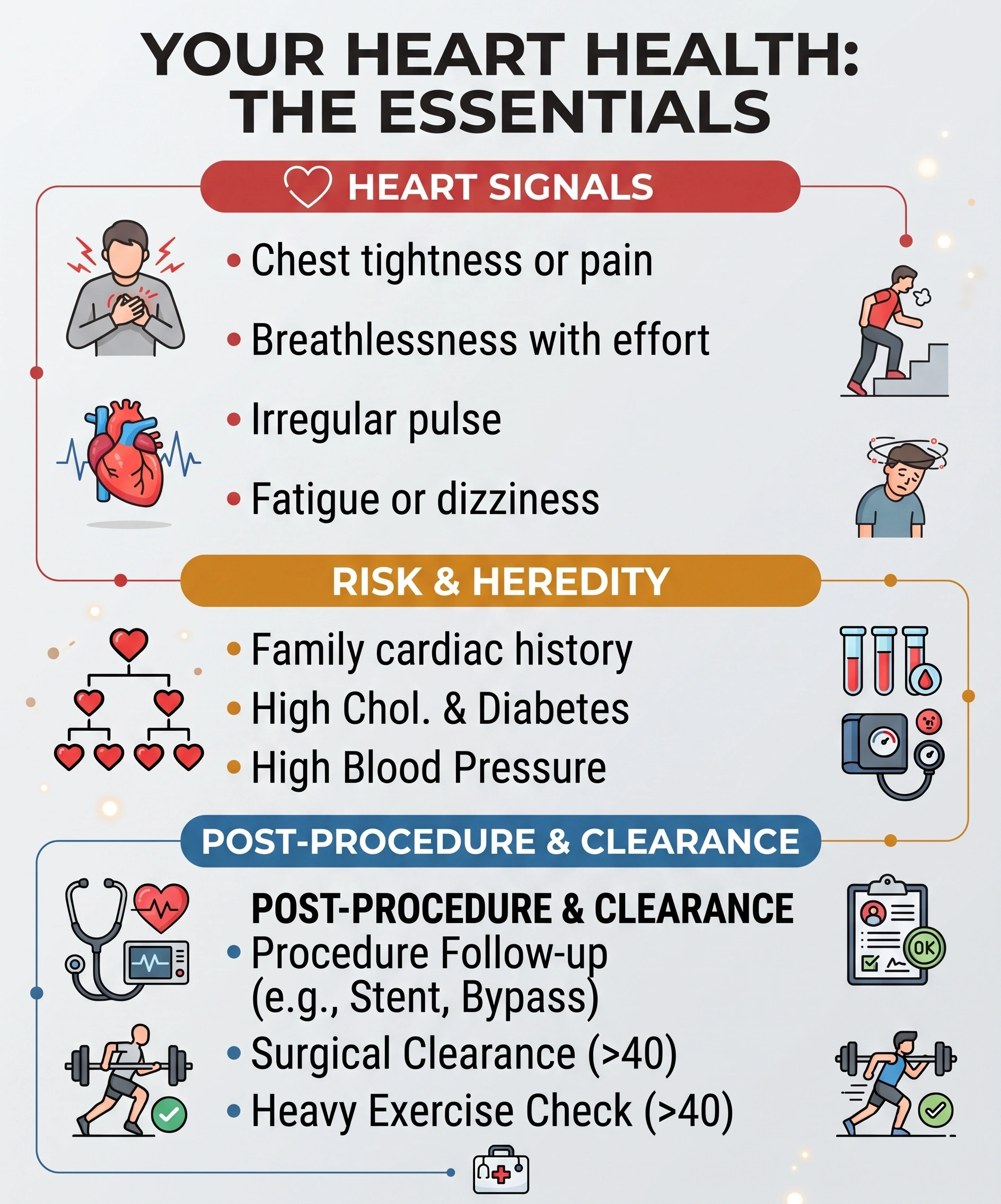
Persistent chest pain or tightness during physical activity or emotional stress
Conditions Diagnosed Using Stress Test at Our AHF Clinic
A cardiac stress test in Mumbai at the AHF Clinic is one of the most useful first-line tools for identifying heart problems early. It helps detect:
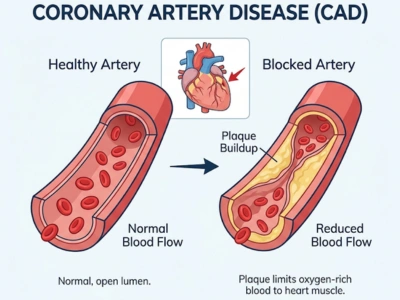
Coronary Artery Disease (CAD)
Coronary Artery Disease (CAD)
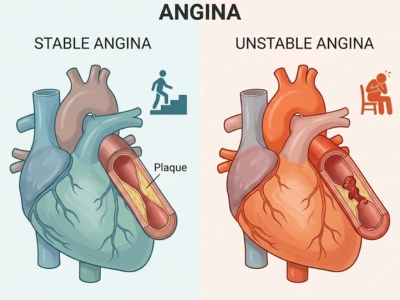
Angina (Stable and Unstable)
Angina (Stable and Unstable)
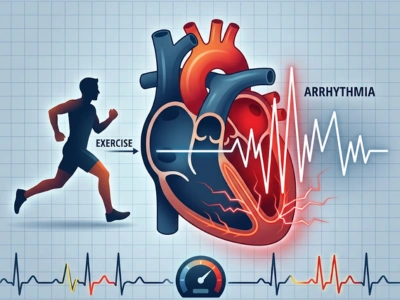
Exercise-Induced Arrhythmias
Exercise-Induced Arrhythmias
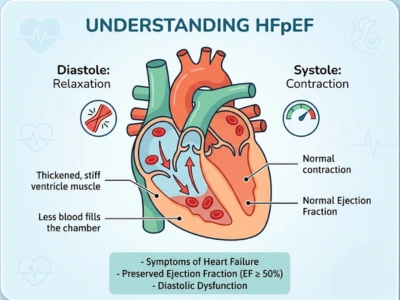
Heart Failure with Preserved Ejection Fraction (HFpEF)
Heart Failure with Preserved Ejection Fraction (HFpEF)
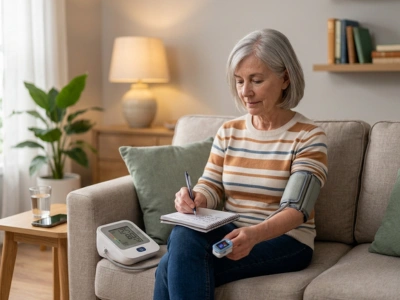
Post-Heart Attack Recovery Monitoring
Post-Heart Attack Recovery Monitoring
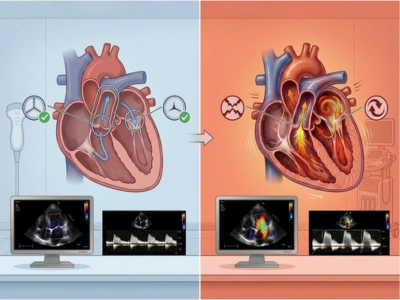
Valve Function Issues
Valve Function Issues
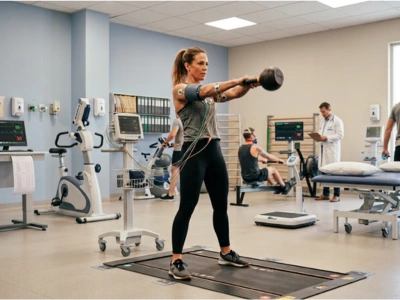
Fitness and Functional Capacity
Fitness and Functional Capacity
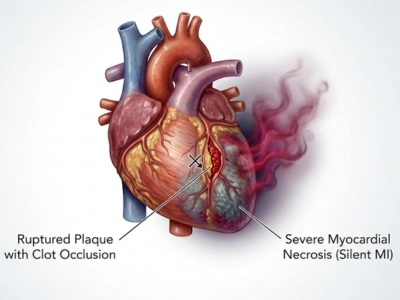
Silent Ischemia
Silent Ischemia
What does the test involve? Here’s a simple step-by-step breakdown so you know exactly what to expect.
Step-by-Step Process of Stress Test in Mumbai at Our AHF Clinic
The TMT Test in Mumbai at AHF Clinic is structured for safety, comfort, and accuracy. Here’s how each step unfolds:
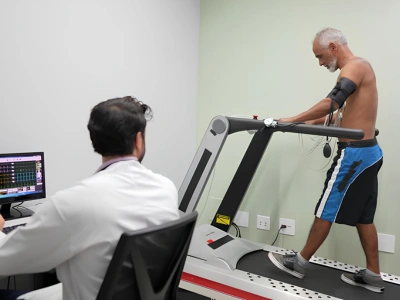
Pre-Test Consultation
Pre-Test Consultation
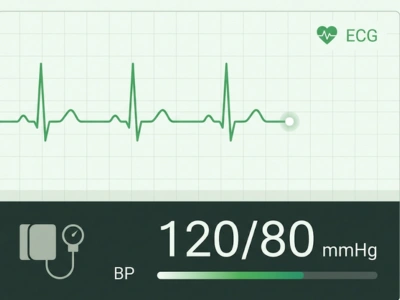
Baseline Recording
Baseline Recording
Electrode Placement
Electrode Placement
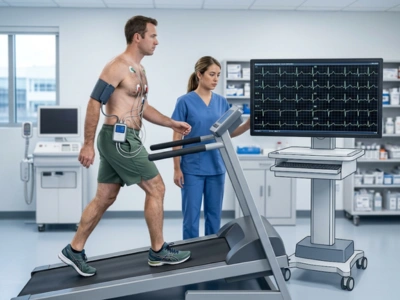
Treadmill Phase
Treadmill Phase
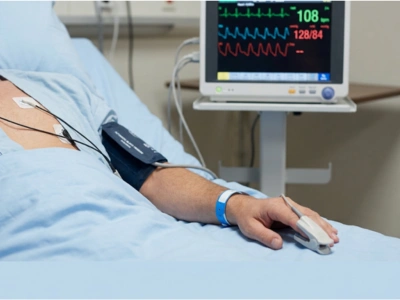
Continuous Monitoring
Continuous Monitoring
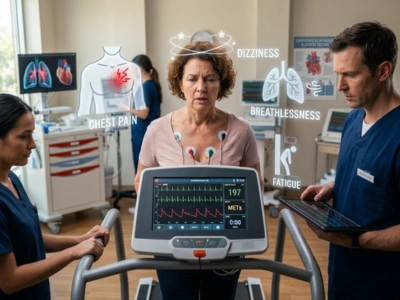
Symptom Observation
Symptom Observation
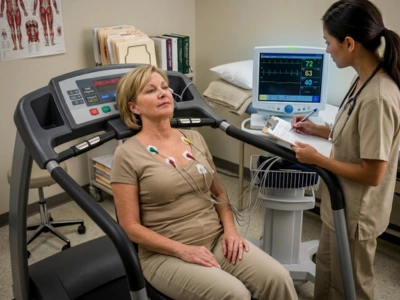
Cool-Down and Recovery Phase
Cool-Down and Recovery Phase
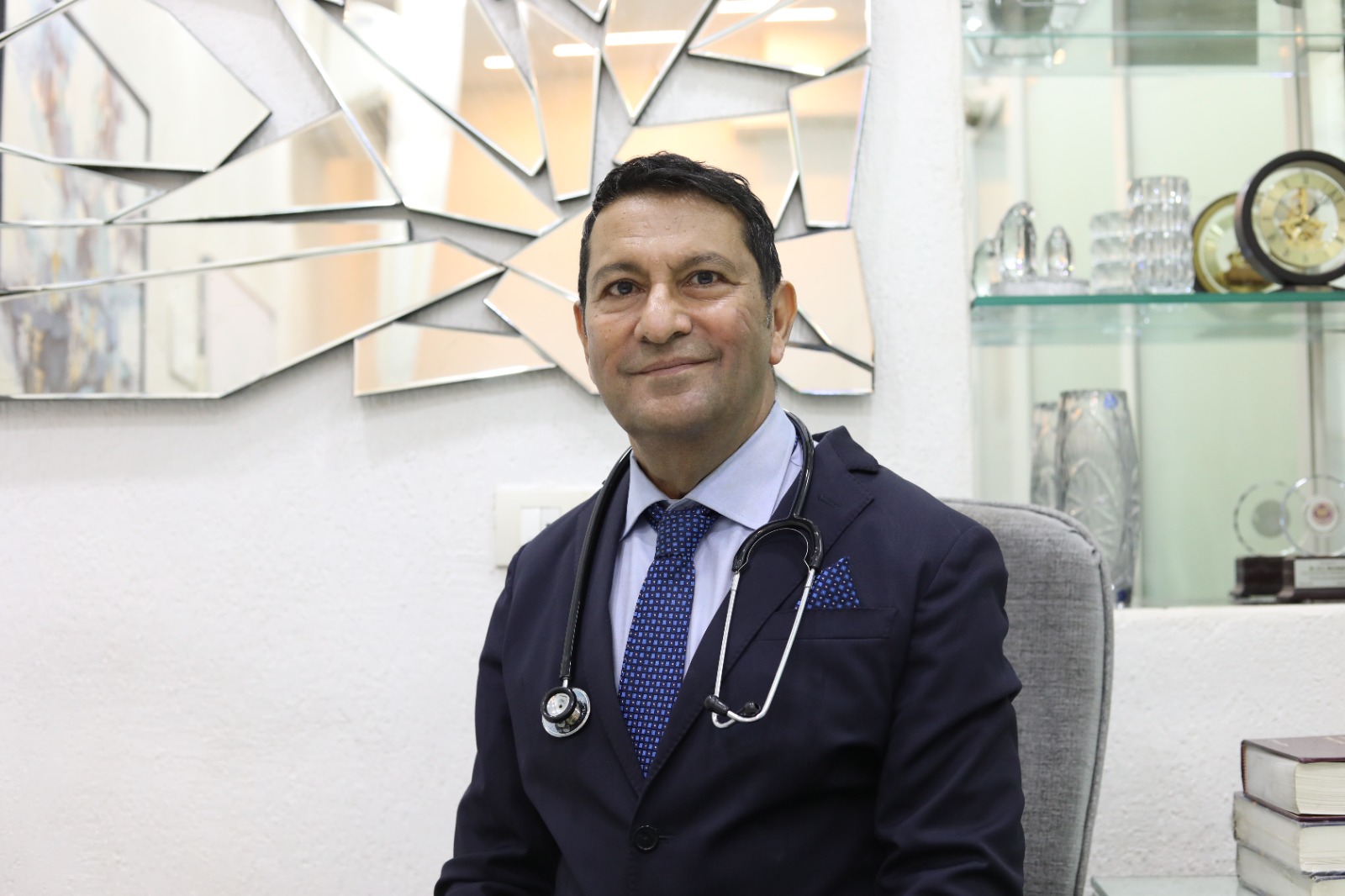
Expert Review by Dr. S. A. Merchant
Expert Review by Dr. S. A. Merchant
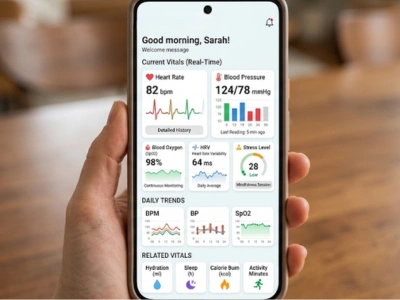
Smart HF App Integration:
Smart HF App Integration:
Now, let’s explore the reasons patients trust the AHF Clinic for accurate stress testing.
Why Choose Our Advanced Heart Failure Clinic for Stress Test in Mumbai?
Here’s what makes our heart stress test clinic in Mumbai stand out:
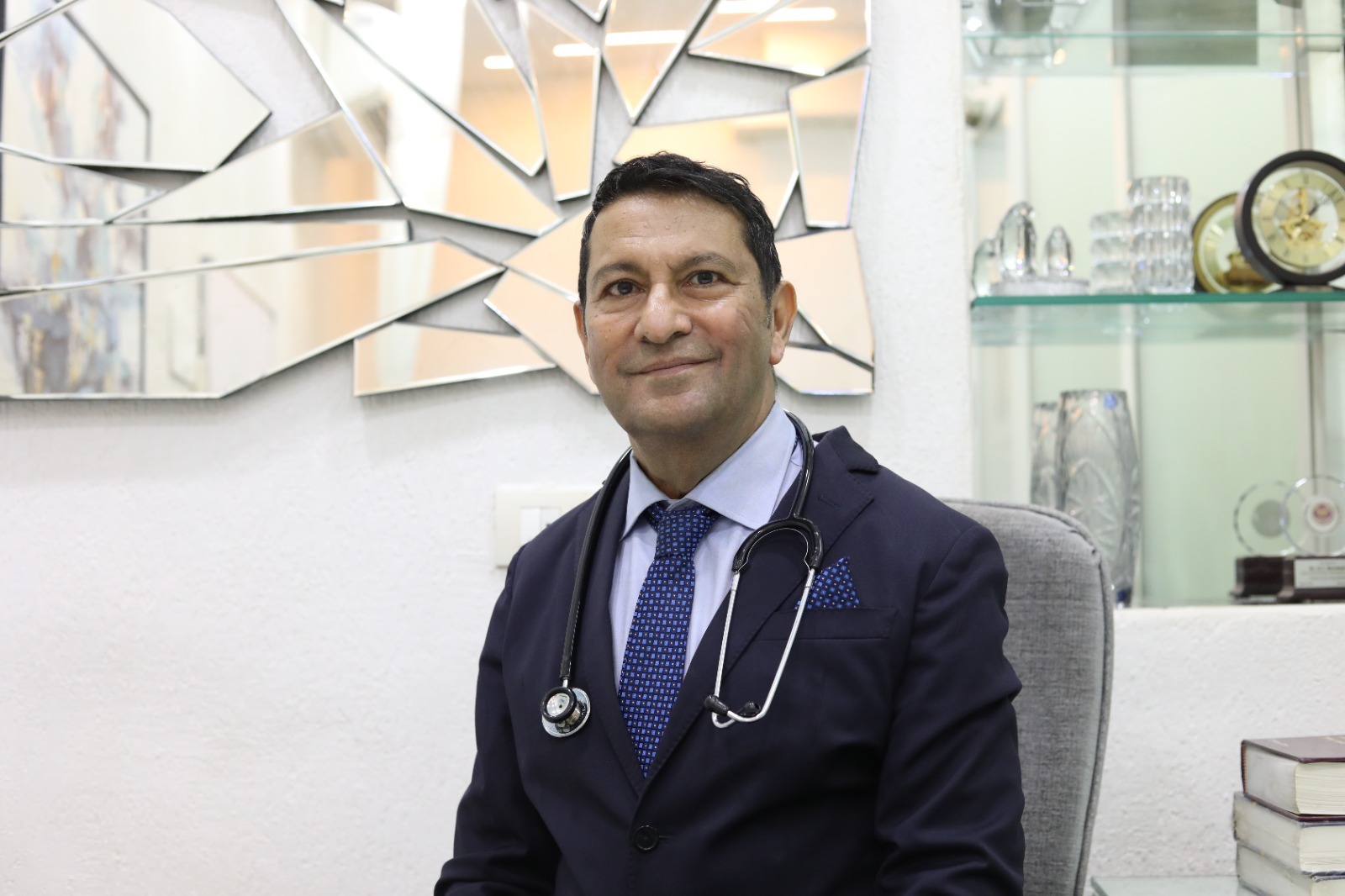
Led by a Senior Interventional Cardiologist:
The clinic operates under the guidance of Dr. S. A. Merchant, a renowned Advanced Heart Failure Specialist in Mumbai, widely respected for his 35+ years of expertise in early diagnosis and his focused approach to long-term, comprehensive cardiac management.
Prevention-First Philosophy
The entire focus is on catching cardiac issues early through accurate testing, rather than waiting for surgical-stage intervention.
Expert-Read Reports
Dr. S. A. Merchant personally interprets each report, adding clinical depth that machine-generated reports often miss.
Modern Equipment
We utilize advanced TMT machines with high-precision ECG tracking and real-time monitoring software.
Immediate Report Review and Expert Discussion
Test results are explained clearly on the same day, ensuring every patient leaves with answers and a defined plan ahead.
Trusted Across Mumbai
The AHF Clinic is widely regarded as one of the most reliable destinations for an accurate stress test in Mumbai.
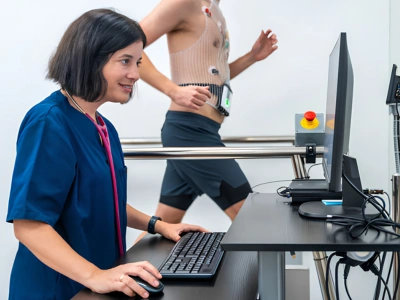
Curious how a simple treadmill test can reveal so much? Let’s discuss the significant role of stress testing in detecting heart disease early.
Role of Stress Test in Detecting Heart Disease and Angina
A stress test is one of the most informative tools in modern cardiology. Here’s how it helps in detecting heart disease and angina:
Reveals Reduced Blood Flow
When arteries are narrowed by plaque, the heart cannot get enough oxygen during exertion. The test catches these changes through ECG patterns and symptoms.
Confirms Angina
Helps distinguish true cardiac chest pain from non-cardiac causes such as acid reflux or muscle strain.
Identifies Silent Ischemia
Detects oxygen shortage in the heart even when the patient feels nothing unusual at rest.
Assesses Severity
Indicates how serious the underlying heart disease is and whether further tests like angiography are needed.
Guides Treatment Decisions
Helps doctors decide between medication, lifestyle changes, angioplasty, or stenting based on real cardiac performance.
Tracks Recovery
After a heart attack or angioplasty, repeat stress tests measure healing progress and guide rehabilitation safely.
Predicts Future Risk
Performance on a stress test is one of the strongest predictors of long-term cardiac outcomes.
Frequently Asked Questions
Is fasting required for a stress test?
A light meal 2 to 3 hours before the test is generally recommended. Heavy meals, caffeine, and smoking should be avoided to ensure accurate readings.
What is a stress test used for?
It is used to evaluate how the heart responds to physical exertion, helping detect blocked arteries, irregular rhythms, exercise-induced angina, and overall cardiac fitness.
How long does a stress test in Mumbai at AHF Clinic take?
The full test, including preparation, treadmill phase, and recovery, usually takes around 20 to 30 minutes. Same-day reporting is standard at the AHF Clinic.
Who should undergo a stress test?
Anyone with chest pain, breathlessness, palpitations, a family history of heart disease, diabetes, hypertension, or those above 40 starting heavy exercise should consider it.
What does a positive stress test mean?
A positive result suggests reduced blood flow to the heart during exertion, which may indicate coronary artery disease. Further tests, like angiography, may be advised.
Disclaimer: The information shared in this content is for educational purposes and not for promotional use.