

Cardiac Amyloidosis Case Study
Dr. S. A. Merchant | Advanced Heart Failure Clinic, Bandra West, Mumbai
Restrictive Cardiomyopathy and Transthyretin Cardiac Amyloidosis Managed With Guideline-Directed Medical Therapy
Patient Profile
| Name | Mohsin Mujavar |
| Age | 48 |
| Gender | Male |
| Location | Dapoli, Ratnagiri |
| Presenting Complaints | Pedal edema, dyspnea on exertion, fatigue, breathlessness |
| Diagnosis | Restrictive hypertrophic cardiomyopathy; transthyretin cardiac amyloidosis |
| Treatment | Guideline-directed medical therapy (beta-blocker and SGLT2 inhibitor) |
| Outcome | NYHA class improvement; disease progression slowed |
| Cardiologist | Dr. S. A. Merchant |
Patient consented to share his experience.
The Problem
Condition
A 48-year-old man from Dapoli in Ratnagiri presented with swelling in his legs, breathlessness on exertion, persistent fatigue and difficulty breathing. These are classic signs of a heart that is struggling to pump and fill normally. The pattern pointed toward a stiff, poorly relaxing heart muscle rather than a simple blockage.
Detailed evaluation identified restrictive hypertrophic cardiomyopathy, with the underlying cause being transthyretin cardiac amyloidosis. In this condition an abnormal protein deposits in the heart muscle, making the walls thick and rigid so the heart cannot relax and fill properly. It is an uncommon and frequently underdiagnosed cause of heart failure, which makes reaching the correct diagnosis a significant step in itself.
Impact on Daily Life
The combination of leg swelling, fatigue and breathlessness limited everyday activity and exertion. Symptoms of this kind tend to worsen gradually, so reaching an accurate diagnosis was essential to plan treatment that could slow the disease rather than only ease symptoms.
Diagnostic Work-Up
Because restrictive cardiomyopathy and amyloidosis can mimic other heart conditions, a thorough, layered work-up was carried out. This kind of complex evaluation reflects the focus of the Advanced Heart Failure Clinic on difficult and uncommon heart muscle disease.
Investigations performed:
ECG to assess the heart's electrical activity
2D Echocardiography to study chamber size, wall thickness and pumping function
Coronary angiography to rule out blocked arteries as a cause
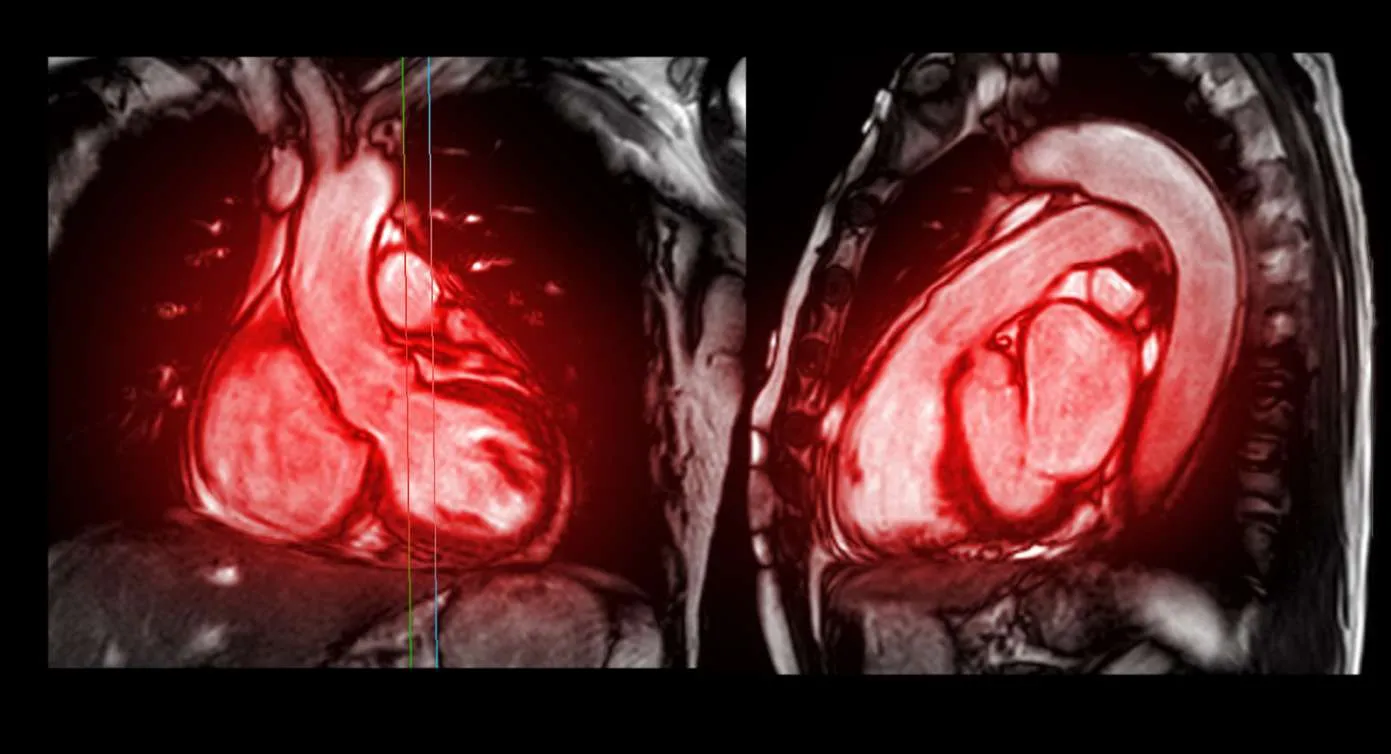
Cardiac MRI to characterise the heart muscle in detail
Cardiomyopathy gene panel to look for an inherited basis
Bone marrow trephine biopsy as part of confirming the amyloidosis
Together these tests confirmed restrictive hypertrophic cardiomyopathy driven by transthyretin cardiac amyloidosis, while excluding coronary blockage as the primary problem.
Treatment Plan
Goal of Treatment
The central aim was to slow the progression of transthyretin amyloidosis while relieving the patient’s heart failure symptoms. With a stiff, infiltrated heart muscle, the priority is to support pumping function, manage fluid overload and protect the heart over the long term.
Approach
Treatment was based on guideline-directed medical therapy (GDMT), the evidence-based combination of medicines used in heart failure care. In this case it included a beta-blocker and an SGLT2 inhibitor. This medical strategy fits within Dr. Merchant’s heart failure management focus, where the emphasis is on protecting heart function and slowing disease over time.
Therapy Type
Guideline-directed medical therapy (GDMT)
Medicines
Beta-blocker; SGLT2 inhibitor
Primary Goal
Slow progression of transthyretin amyloidosis
Secondary Goal
Relieve heart failure symptoms
Post-Treatment Care and Recovery Guidelines
Once therapy was started, ongoing care focused on keeping symptoms controlled and tracking how the heart responded over time. The following general guidance supports patients managing this kind of condition.
Take all prescribed medicines exactly as directed, without skipping or stopping doses.
Attend regular follow-up visits so heart function and response to treatment can be monitored.
Keep an eye on daily weight and any increase in leg swelling or breathlessness, and report changes promptly.
Follow advice on fluid and salt intake to help manage fluid balance.
Stay gently active within the limits advised, and rest when fatigued.
Seek medical attention early if symptoms worsen rather than waiting for the next visit.
These steps are general in nature. Specific guidance always depends on the individual patient and should follow the treating cardiologist’s instructions.
Outcome
On treatment the patient showed an improvement in his NYHA class, the standard scale used to grade how much heart failure limits daily activity. A better NYHA class means less breathlessness and more capacity for everyday exertion. The plan also worked toward slowing the progression of the underlying amyloidosis.
Frequently Asked Questions
Q1. What is cardiac amyloidosis?
It is a condition where an abnormal protein builds up in the heart muscle, making the walls thick and stiff. This stops the heart from relaxing and filling normally and can lead to heart failure.
Q2. What is transthyretin (ATTR) amyloidosis?
It is a specific type of amyloidosis caused by the transthyretin protein depositing in tissues, including the heart. It is an under-recognised cause of heart failure and needs targeted evaluation to diagnose.
Q3. Why were so many tests needed?
Restrictive cardiomyopathy and amyloidosis can look like other heart conditions. ECG, echo, MRI, angiography, genetic testing and a biopsy are used together to confirm the diagnosis and rule out other causes such as blocked arteries.
Q4. Can this condition be treated?
While the underlying process cannot be reversed, guideline-directed medical therapy can relieve symptoms, improve functional capacity and help slow progression. Care is tailored to each patient.
Q5. Why choose Dr. S. A. Merchant?
He is a Consultant Interventional Cardiologist in Mumbai with over 25 years of experience and a focus on complex and advanced heart failure, including uncommon heart muscle diseases. Learn more about the Advanced Heart Failure Clinic.
Living With Unexplained Breathlessness or Swelling?
A consultation at the Advanced Heart Failure Clinic in Bandra West can help identify the cause of your symptoms and plan the right treatment for your heart.
Disclaimer: The information on this page is for general informational purposes only and is not a substitute for professional medical advice, diagnosis or treatment. Individual results vary from patient to patient. Always consult a qualified cardiologist regarding any medical condition.