
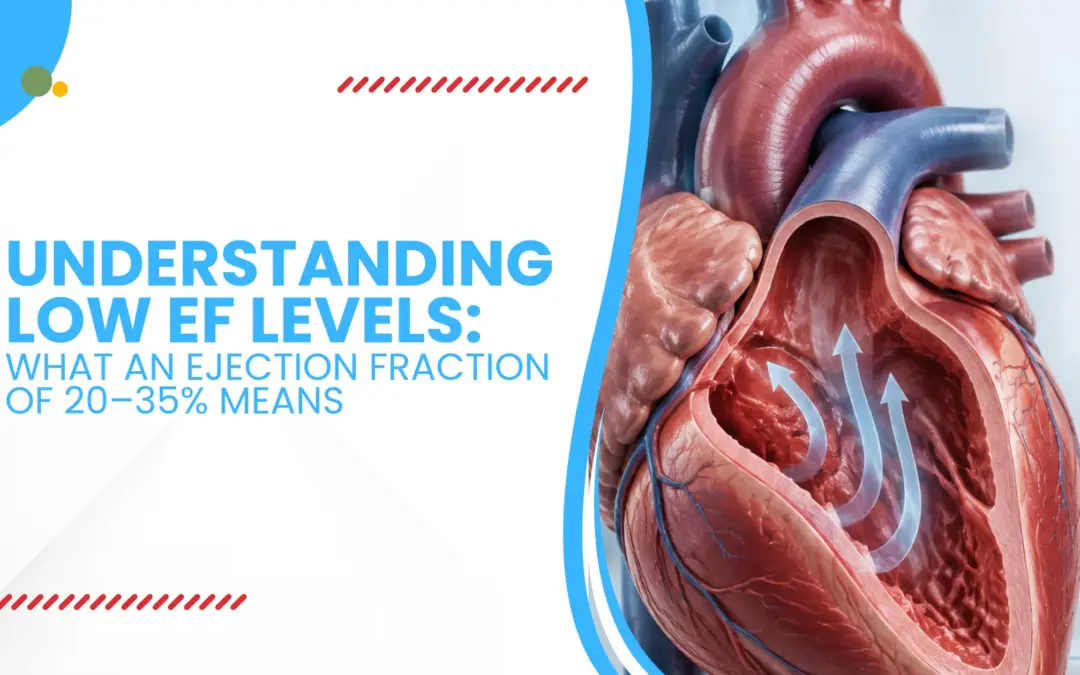
A low ejection fraction means the heart pumps less blood than expected with each heartbeat. When the EF falls between 20–35%, it may suggest reduced heart pumping ability and requires detailed evaluation to understand the cause and severity.
Dr. S. A. Merchant, a globally acclaimed Advanced Heart Failure Specialist in Mumbai, explains, “Ejection fraction is one part of understanding heart function. A complete assessment helps identify why heart function has reduced and which treatment approach can provide the best possible support.”
At the Advanced Heart Failure Clinic, Dr. Merchant focuses on identifying the underlying cause, optimizing treatment, and providing structured Low Ejection Fraction Treatment in Mumbai based on each patient’s heart condition and individual needs. With timely evaluation and appropriate management, patients can improve symptoms, stabilize heart function, and reduce the risk of further complications.
Understanding EF levels helps explain how well the heart is functioning. Let’s look at what an EF of 20–35% indicates.
What Does an EF of 20–35% Mean?
Ejection fraction (EF) measures how effectively the left ventricle pumps blood to the body during each heartbeat. A normal EF is generally around 50–70%. An EF between 20–35% indicates significantly reduced pumping function.
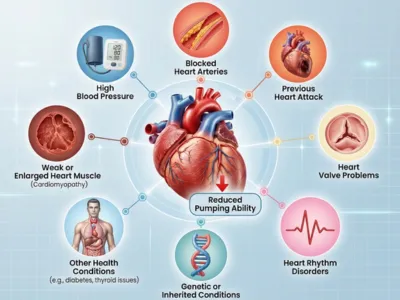
A reduced EF may occur due to changes in the heart muscle, previous heart damage, inflammation, rhythm problems, or other medical conditions.
An EF value alone does not determine the complete heart condition. Doctors also consider:
- Symptoms and daily activity limitations
- Heart structure and size
- Rhythm abnormalities
- Response to medications
- Overall health condition
Patients with reduced EF may require evaluation for heart failure with reduced ejection fraction treatment to improve symptoms and reduce the risk of complications.
Several conditions can weaken heart pumping ability. Let’s look at the common causes behind a low EF.
Causes of Low Ejection Fraction (EF 20–35%)
A reduced ejection fraction can develop due to different conditions affecting the heart muscle or its ability to pump blood effectively, including:
Identifying the underlying cause of reduced heart function is an important step toward effective management and improving long-term heart health.
Reduced heart function often affects how the body receives oxygen-rich blood. Let’s understand the symptoms that may appear.
Symptoms of Low Ejection Fraction
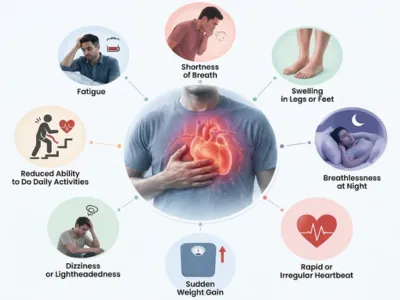
People with an EF of 20–35% may experience symptoms depending on the severity of heart dysfunction.
Common symptoms include:
Symptoms may vary between individuals. Some people may have a significant reduction in EF with mild symptoms, while others may experience noticeable limitations.
A low ejection fraction does not always remain the same. Let’s understand when improvement may be possible and what factors influence recovery.
Can Ejection Fraction Improve From 20–35%?
Yes, ejection fraction can improve in some patients depending on the underlying cause, treatment response, and overall heart condition. Improvement usually depends on identifying the reason behind reduced heart function and addressing it with the right medical approach.
Patients undergoing Low Ejection Fraction Treatment in Mumbai at AHF Clinic may be evaluated for factors that can support improvement, including:
However, improvement varies from person to person. Some individuals may experience significant improvement in EF, while others may require long-term management to maintain stable heart function.
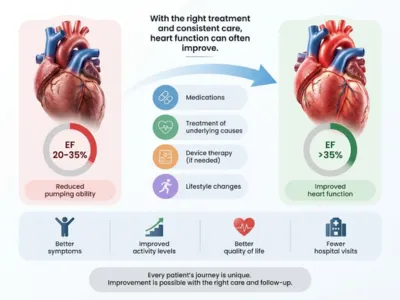
An EF of 20–35% needs the right evaluation and care plan. Let’s understand the next steps after diagnosis.
What Should You Do If Your EF Is 20–35%?
If your ejection fraction is between 20–35%, it is important to undergo a detailed assessment rather than relying only on the EF number. A specialist evaluates the complete picture, including symptoms, heart structure, rhythm, and response to existing treatments.
At the Advanced Heart Failure Clinic in Mumbai, evaluation for reduced heart function may include:
Patients seeking EF 20–35% Treatment in Mumbai should consult an experienced specialist who can assess the cause of reduced EF and guide appropriate management.
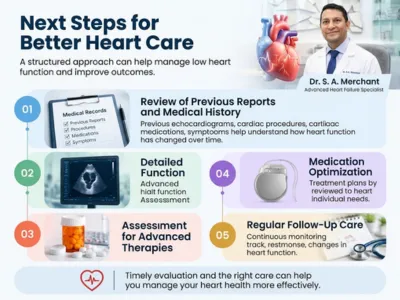
Early specialist guidance can help create a clearer treatment path for reduced heart function. Connectwith an expert for a comprehensive evaluation.
FAQs
Can a person live with an EF of 20–35%?
Yes, many people can live with a reduced EF when they receive appropriate treatment, regular monitoring, and lifestyle guidance.
Is an ejection fraction of 20–35% considered low?
Can low ejection fraction improve?
Does a low EF always mean severe heart failure?
What lifestyle changes help improve heart function?
What is the treatment for EF 20–35%?
When should someone with low EF see a specialist?
REFERENCE:
https://www.heart.org/en/health-topics/heart-failure/what-is-heart-failure/what-is-ejection-fraction
https://www.escardio.org/Guidelines/Clinical-Practice-Guidelines/Acute-and-Chronic-Heart-Failure
Disclaimer
The information shared in this content is for educational purposes and not for promotional use.