

Heart Transplant & LVAD Program in Mumbai
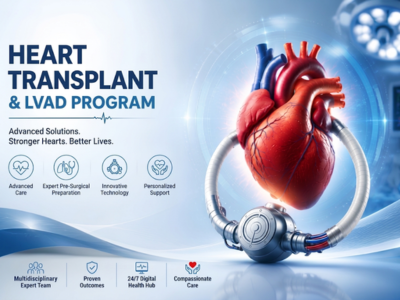
Advanced heart failure can progress to a stage where standard medications and routine procedures may no longer provide adequate support. For patients with severely weakened heart function, advanced therapies such as heart transplantation or a Left Ventricular Assist Device (LVAD) may offer a pathway toward improved survival, stability, and quality of life.
According to Dr. S. A. Merchant, a prominent Advanced Heart Failure Specialist in Mumbai, “Advanced heart failure care requires careful decision-making because every patient has different health needs. A thorough assessment of heart function, overall health, and treatment response helps determine whether advanced therapies may be beneficial.”
At the AHF Clinic, led by Dr. S. A. Merchant, the Heart Transplant & LVAD Program in Mumbai focuses on comprehensive evaluation, transplant assessment and listing, and LVAD support planning for eligible patients with advanced heart failure. The clinic follows structured care pathways to help patients receive appropriate guidance throughout their advanced treatment journey.
Are advanced therapies needed when heart failure becomes severe? Let’s explore heart transplant and LVAD support options.
What Is the Heart Transplant & LVAD Program at AHF Clinic?
The Heart Transplant & LVAD Program in Mumbai at AHF Clinic is designed for patients with advanced heart failure who require specialized evaluation beyond conventional treatment options. These therapies are considered when the heart’s pumping ability becomes severely reduced and impacts overall health and daily activities.
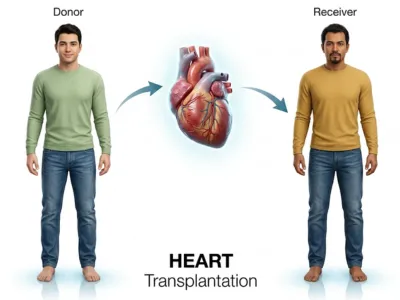
A heart transplant involves replacing a failing heart with a healthy donor heart through a carefully coordinated medical process. Since donor availability and eligibility factors play an important role, every patient undergoes detailed assessment before being considered for transplant listing.
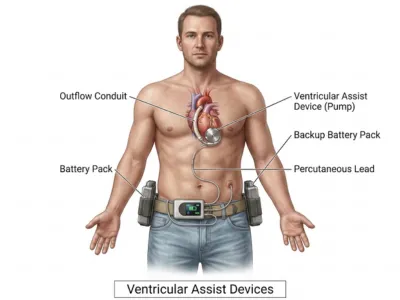
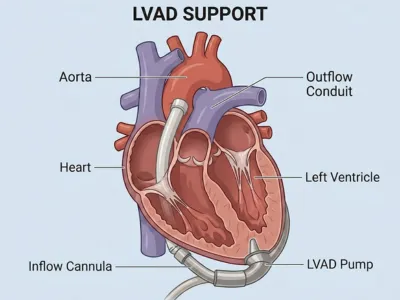
An LVAD (Left Ventricular Assist Device) is a mechanical circulatory support system that helps the weakened left ventricle pump blood effectively throughout the body. It may be considered as:
- Bridge to Transplant: Supporting patients while they wait for a suitable donor heart.
- Destination Therapy: Providing long-term support for patients who may not be candidates for transplantation.
The LVAD Program (MCS Support) involves detailed patient selection, device planning, implantation coordination, and long-term monitoring.
Advanced heart failure requires timely evaluation and planning. Speak with an expert to understand suitable treatment options.
When should advanced heart failure therapies be considered? Let’s discover the factors that help determine eligibility for transplant or LVAD support.
Who Is the Right Patient for Heart Transplant or LVAD?
Not every patient with heart failure requires a transplant or LVAD. These therapies are generally considered for individuals with advanced disease who continue to experience symptoms despite optimized treatment.

Severe Reduction in Heart Pumping Function
Patients with significantly reduced ejection fraction or worsening heart function may require assessment for advanced treatment options.
Persistent Symptoms Despite Medical Therapy
Ongoing breathlessness, fatigue, fluid retention, or reduced ability to perform daily activities despite guideline-based treatment may indicate the need for further evaluation.
Frequent Hospital Admissions
Repeated hospitalizations due to worsening heart failure may suggest that current treatment strategies are not providing adequate stability.
Advanced Heart Failure Complications
Patients experiencing low blood pressure, kidney dysfunction, worsening congestion, or reduced organ function may require advanced heart failure assessment.
Dependence on Advanced Support Therapies
Some patients requiring intravenous medications or mechanical support may need evaluation for transplant or LVAD options.
The decision is based on multiple factors, including overall health, age, other medical conditions, heart function, and expected benefit from advanced therapies.
How are patients assessed before advanced heart failure therapies? Let’s discover the evaluation process followed at AHF Clinic.
Assessment for Heart Transplant & LVAD Program at AHF Clinic in Mumbai
Before considering a heart transplant & LVAD, patients undergo a comprehensive evaluation to understand disease severity, treatment suitability, and expected outcomes.

Transplant Evaluation & Listing
Transplant evaluation involves reviewing:
- Heart failure severity
- Overall physical condition
- Other organ function
- Infection risk
- Surgical suitability
- Long-term treatment requirements
Eligible patients may undergo the process of transplant listing through appropriate transplant pathways.
Advanced Cardiac Testing
Evaluation may include:
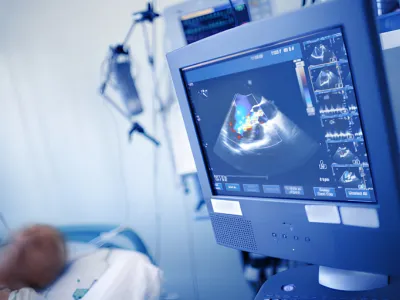
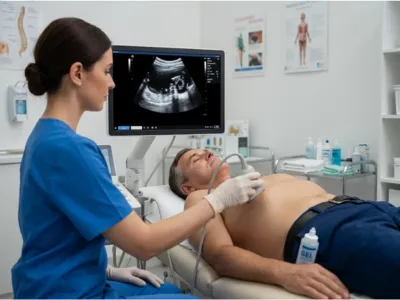
- Echocardiography to assess heart structure and function
- Cardiac MRI for detailed heart muscle assessment
- Exercise capacity evaluation
- Blood investigations
- Rhythm monitoring when required

LVAD Suitability Assessment
For patients considered for mechanical circulatory support, evaluation includes:
- Heart function assessment
- Surgical risk evaluation
- Lifestyle considerations
- Long-term device management planning

Clinical Assessment
A detailed review of symptoms, medical history, previous treatments, hospital admissions, and current medications helps determine the stage of heart failure.
Hemodynamic Assessment
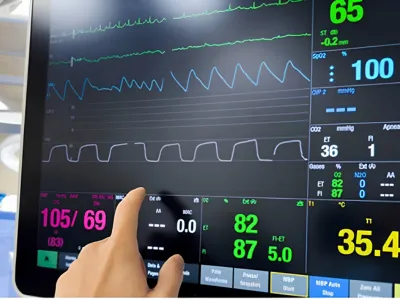
Advanced testing helps understand pressures within the heart and circulation. These findings support treatment planning and determine the suitability of advanced therapies.
What happens during the transplant or LVAD journey at our Advanced Heart Failure Clinic in Mumbai? Let’s understand the key steps involved in advanced heart failure care.
Step-by-Step Process of Heart Transplant & LVAD Program in Mumbai at AHF Clinic
The pathway for heart transplant and LVAD involves multiple stages to ensure safe and effective treatment planning.

Step 1: Detailed Heart Failure Evaluation
Step 2: Advanced Therapy Assessment
Step 3: Transplant Listing or LVAD Planning

Step 4: Procedure Coordination
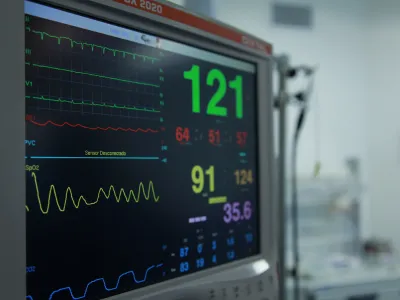
Step 5: Long-Term Monitoring
The LVAD program in Mumbai requires ongoing support because patients need regular device checks, medication management, and lifestyle guidance after implantation.
The LVAD program in Mumbai requires ongoing support because patients need regular device checks, medication management, and lifestyle guidance after implantation.
Why Choose AHF Clinic for the Best Heart Transplant & LVAD Program in Mumbai?

Advanced Heart Failure Expertise
Headed by Dr. S. A. Merchant, a highly regarded Advanced Heart Failure Specialist in Mumbai, AHF Clinic focuses on complex heart failure cases requiring advanced treatment strategies.
Dedicated Advanced Therapy Planning
The clinic provides structured evaluation for patients who may require transplant assessment or mechanical circulatory support.
Expertise in Mechanical Circulatory Support
The clinic provides evaluation and management pathways related to the LVAD Program (MCS Support) for eligible patients.
Advanced Diagnostic Support
Modern cardiac evaluation helps provide accurate insights before making advanced therapy decisions.
Focus on Quality of Life
The goal is to help patients achieve improved functional ability, symptom control, and better daily living.
Transparent Treatment Guidance
Patients and families receive clear information about available options, expectations, and care pathways.
Advanced therapies require careful planning and expert evaluation at every stage. Get in touch with a specialist to understand the right transplant or LVAD care pathway.
Why is follow-up essential after a heart transplant & LVAD program in Mumbai? Let’s discuss the role of long-term monitoring and support.
Post-Procedure Care & Monitoring After Heart Transplant or LVAD
After heart transplant or LVAD implantation, regular follow-up plays a crucial role in maintaining health and identifying potential concerns early.
Post-procedure care may include:

Medication monitoring and adjustments
Device performance checks for LVAD patients
Heart function assessment
Infection prevention guidance
Lifestyle and activity recommendations
Regular clinical reviews
Patients with LVAD support require ongoing device management, including monitoring battery systems, controller function, and warning signs that need medical attention.
For transplant recipients, regular follow-up helps monitor heart function and response to immunosuppressive medications.
The long-term goal is to maintain stability, support recovery, and improve quality of life.
Frequently Asked Questions
1. How long does the heart transplant evaluation process take?
The timeline varies depending on medical tests, health status, and transplant eligibility assessment. A detailed evaluation is required before listing decisions.
2. Can LVAD be a permanent solution instead of a transplant?
Yes, in selected patients LVAD can be used as destination therapy when transplantation is not suitable.
3. What is life expectancy after a heart transplant or LVAD implant?
Outcomes vary based on overall health, complications, and follow-up care. Regular monitoring plays an important role in long-term survival.
4. What lifestyle changes are needed after LVAD surgery?
Patients may need medication adherence, device care, infection prevention, dietary adjustments, and regular follow-up visits.
5. How is a patient monitored after LVAD implantation?
Monitoring includes device checks, heart function assessment, medication review, and regular clinical evaluations.
Disclaimer: The information shared in this content is for educational purposes and not for promotional use.