
Cardiac Rehabilitation Clinic in Mumbai
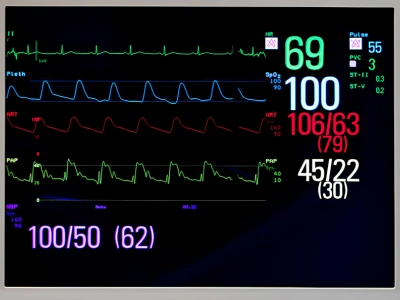
Leaving the hospital after a cardiac event often feels like the hardest part is over. In reality, the most critical phase of recovery is just beginning. The weeks that follow a heart attack, bypass surgery, or angioplasty determine how well the heart adapts, how quickly strength returns, and whether the risk of a second event comes down. Without a structured plan, most patients default to rest and uncertainty, gradually returning to the same habits that contributed to the event.
Dr. Shahid Merchant, a renowned Advanced Heart Failure Specialist in Mumbai, notes, “Patients who follow a structured rehab protocol after a cardiac event reduce their risk of rehospitalisation by nearly 30 percent compared to those who rely on medication alone.” He further adds, “Supervised exercise combined with risk factor management is one of the few interventions proven to reverse cardiac deconditioning and meaningfully improve ejection fraction over time.”
The Advanced Heart Failure Clinic, led by Dr. Shahid Merchant, was built around this gap between hospital discharge and genuine long-term recovery. Every rehabilitation plan is individually designed, diagnostically grounded, and monitored daily through the proprietary Smart HF App, making it a trusted Cardiac Rehabilitation Clinic in Mumbai for patients at every stage of cardiac recovery.
Not sure if cardiac rehabilitation applies to your situation? Let’s discover the conditions and patient profiles that benefit most from a structured rehab program.
Who Needs Cardiac Rehabilitation?
Cardiac rehabilitation is recommended for a wide range of patients, not just those recovering from major surgeries. At the AHF Clinic, we routinely assess and enrol the following groups:

Post-Heart Attack Patients
Structured rehab after a myocardial infarction helps rebuild cardiac function, manage risk factors, and reduce the chance of a second event.
Post-Angioplasty and Stent Patients
Patients who have undergone coronary angioplasty benefit from supervised exercise and lifestyle modification to keep arteries open and functioning well long term.
Post-Bypass Surgery Patients
Rehab accelerates physical recovery, restores stamina, and helps the heart adapt to improved blood flow after bypass grafting.
Chronic Heart Failure Patients
Those managing reduced ejection fraction or diastolic dysfunction benefit from carefully graded exercise and monitoring to prevent deconditioning.
Patients with Cardiomyopathy
Supervised rehab helps manage symptoms, improve exercise tolerance, and slow disease progression in both dilated and hypertrophic cardiomyopathy.
Valve Disease Patients
Post-valve repair or replacement, rehab helps restore physical capacity and supports long-term cardiac adaptation.
High-Risk Cardiac Patients
Those with diabetes, hypertension, obesity, or a strong family history of heart disease who have not yet experienced an event but need structured prevention.
Elderly Patients with Heart Conditions
Tailored low-intensity programs help senior patients maintain mobility, independence, and cardiac function without overexertion.
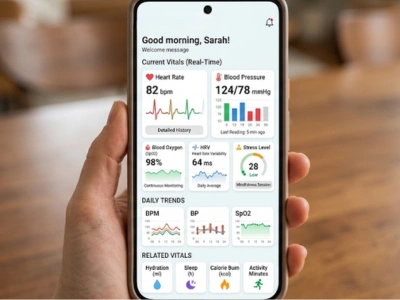
Curious how technology is changing the way cardiac rehab is monitored? Let’s explore how the Smart HF App keeps patients connected to expert care between every clinic visit.
Role of the Smart HF App in Cardiac Rehabilitation at our Clinic
The Smart HF App is the proprietary monitoring tool developed for patients at the AHF Clinic. It plays a central role in tracking and adjusting cardiac rehabilitation:
Daily Symptom Logging
Patients record breathlessness, fatigue, chest discomfort, and activity levels daily, giving the clinical team a continuous picture of recovery progress.
Weight and Fluid Monitoring
Sudden weight gain is one of the earliest signs of fluid retention in heart failure. The app flags changes and triggers early intervention before symptoms worsen.
Exercise Progress Tracking
Rehabilitation targets, step counts, and activity duration are logged and reviewed regularly to ensure progression stays safe and consistent.
Medication Adherence Reminders
The app sends timely reminders for medications, reducing the most common cause of cardiac rehab setbacks: missed doses.
Remote Oversight by Dr. Shahid Merchant
Data logged through the Smart HF App is reviewed by Dr. Merchant, enabling early adjustments to the rehabilitation plan without waiting for the next clinic visit.
Rehabilitation Milestone Markers
Progress is tracked against defined recovery milestones, giving patients visible, motivating benchmarks throughout the program.
Early Warning Alerts
The app flags deteriorating trends in vitals or symptoms before they become emergencies, allowing proactive clinical intervention at the right time.
Wondering how a rehabilitation plan is built around individual needs? Let’s dive into the diagnostic tools used to design a safe, effective recovery program.
Tests Used in Cardiac Rehabilitation Planning
No two patients recover at the same pace. At the AHF Clinic, a structured set of tests informs every rehabilitation plan before exercise or lifestyle targets are prescribed:
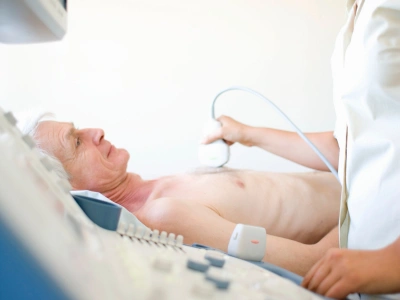
Advanced 2D Echocardiogram
Advanced 2D Echocardiogram
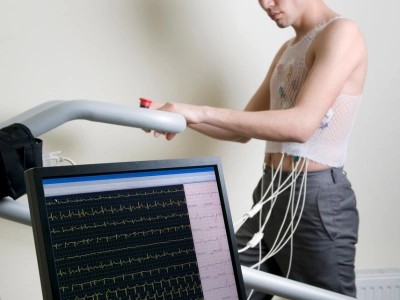
Stress Test (TMT)
Stress Test (TMT)
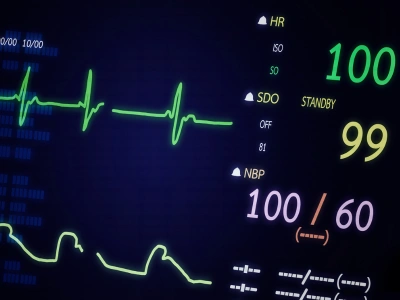
ECG and Vitals Assessment
ECG and Vitals Assessment
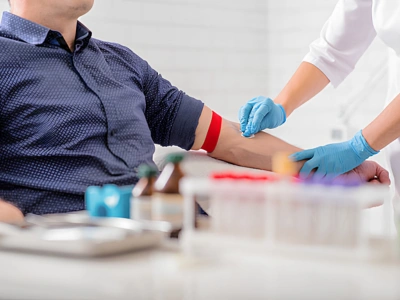
Blood Tests
Blood Tests
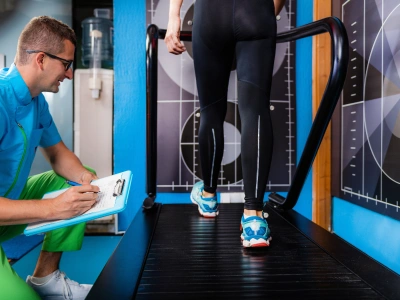
Functional Capacity Assessment
Functional Capacity Assessment
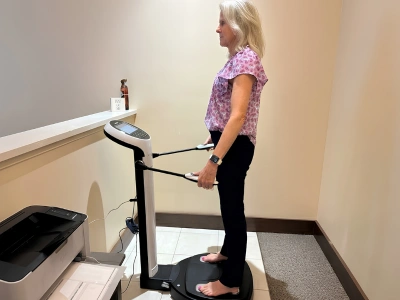
Body Composition and BMI
Body Composition and BMI
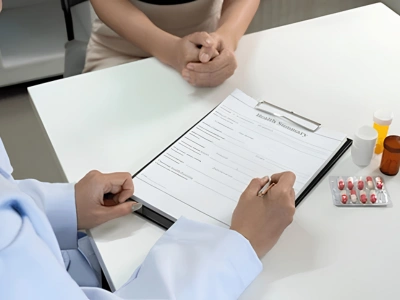
Medication Review
Medication Review
What separates a structured rehabilitation clinic from a standard recovery program? Let’s discover why the AHF Clinic is a preferred choice for Heart Failure Rehabilitation in Mumbai.
Why Choose Advanced Heart Failure Clinic in Mumbai for Cardiac Rehabilitation?
Here’s what makes the AHF Clinic stand out as the Best Cardiac Rehabilitation Clinic in Mumbai:
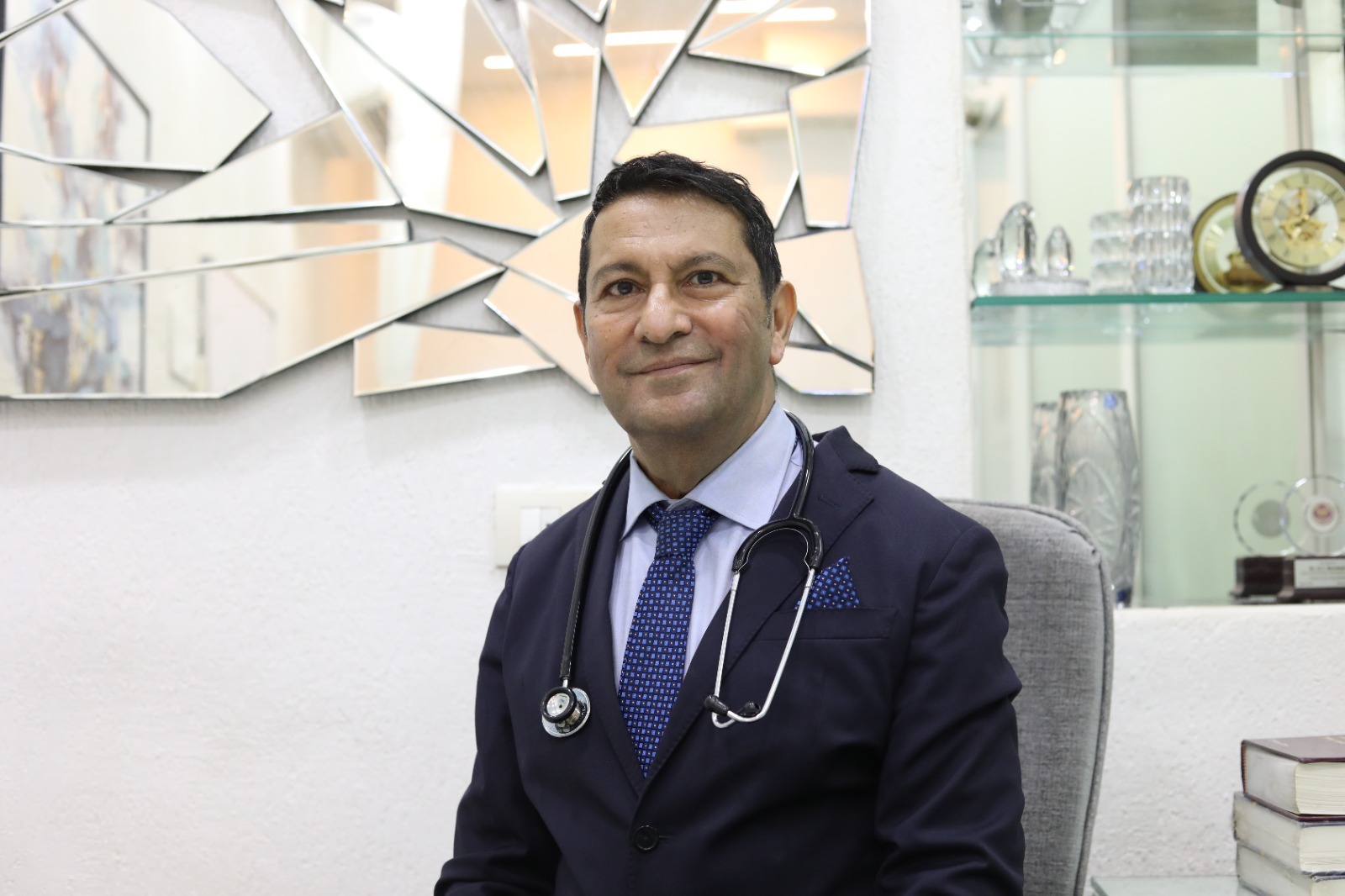
Specialist-Led Rehabilitation
Every rehabilitation plan at the AHF Clinic is designed and overseen by Dr. Shahid Merchant, one of the best heart failure doctors in Mumbai, whose clinical focus is entirely on cardiac recovery and long-term heart health.
Individualised Recovery Plans
No two cardiac histories are identical. Each plan is built around the patient’s diagnosis, fitness baseline, comorbidities, and personal recovery goals, not a generic template.
Diagnostics Before Prescription
Rehabilitation targets at the AHF Clinic are set only after a thorough diagnostic workup, ensuring exercise intensity is safe, appropriate, and evidence-based from day one.
Smart HF App as a Rehabilitation Partner
Daily monitoring through the Smart HF App keeps the clinical team informed between visits, allowing real-time adjustments without waiting for the next scheduled appointment.
Prevention-First Clinical Philosophy
The entire clinic is built around identifying and managing cardiac conditions early. Rehabilitation here is not just about recovery; it is about reducing the risk of a future event.
Continuity Across the Care Pathway
From the initial cardiac event to hospital discharge, outpatient rehab, and long-term follow-up, Dr. Shahid Merchant oversees the entire journey without handing the patient off at any stage.
Focus on the Whole Patient
Rehabilitation at the AHF Clinic addresses exercise tolerance, medication adherence, dietary habits, stress management, and emotional recovery as part of a complete care plan.
Trusted Across Mumbai
Patients from across the city choose the AHF Clinic as their Cardiac Rehabilitation Centre in Mumbai for its clinical rigour, personalised approach, and measurable outcomes.
What does structured cardiac rehab actually deliver beyond basic recovery? Let’s discuss the proven advantages patients experience through a dedicated rehabilitation program.
Benefits of Cardiac Rehabilitation
Cardiac rehabilitation delivers outcomes that medication alone cannot replicate:
Reduced Risk of Repeat Cardiac Events
Structured rehab significantly lowers the chances of a second heart attack, rehospitalisation, or cardiac emergency in recovering patients.
Improved Ejection Fraction
Supervised exercise has been shown to improve the heart’s pumping capacity over time, particularly in patients with heart failure with reduced ejection fraction.
Lower Blood Pressure and Cholesterol
Regular, monitored physical activity combined with dietary guidance brings down two of the most significant cardiac risk factors.
Stronger Exercise Tolerance
Patients consistently report being able to walk further, climb stairs, and resume daily activities with less breathlessness after completing a structured program.
Better Medication Adherence
The structured nature of rehab improves consistency in taking prescribed medications, reducing one of the leading causes of cardiac relapse.
Weight Management
Guided dietary and activity changes during rehab help patients achieve and maintain a healthier body weight, reducing strain on the heart.
Reduced Anxiety and Depression
Cardiac events carry a significant psychological burden. Rehab programs that include structured support help patients rebuild confidence and emotional resilience.
Longer, Better Quality Life
Patients who complete cardiac rehabilitation consistently report better quality of life, greater independence, and fewer hospital admissions in the years that follow.

Frequently Asked Questions
1. Is cardiac rehabilitation safe for heart failure patients?
Yes, when planned and supervised by a specialist. At the AHF Clinic, every patient undergoes a full diagnostic assessment before rehabilitation begins, ensuring exercise intensity is safe and appropriate for their current cardiac capacity.
2. How does cardiac rehabilitation help heart failure patients?
It improves exercise tolerance, reduces fluid retention risk, supports medication adherence, and slows cardiac deconditioning. Combined with Smart HF App monitoring, it also enables early detection of any deterioration between visits.
3. Can cardiac rehab help after angioplasty or bypass surgery?
Absolutely. Rehabilitation after angioplasty or bypass surgery accelerates physical recovery, supports arterial health, and significantly reduces the risk of restenosis or further blockages when combined with lifestyle changes.
4. How long does cardiac rehabilitation take?
Most structured programs run between 8 to 12 weeks, with session frequency depending on the patient’s condition and progress. Long-term maintenance programs may continue beyond this period for high-risk patients.
5. What happens if I miss sessions during cardiac rehabilitation?
Consistency is critical to outcomes. The Smart HF App helps keep patients on track with reminders and daily logging. If a session is missed, the clinical team adjusts the plan accordingly rather than resuming from where it was left off.
Disclaimer: The information shared in this content is for educational purposes and not for promotional use.